Enlarged Prostate: The Treatment Options and When to See a Urologist
Many men over 50 have an enlarged prostate, and treatment now ranges from simply keeping watch to procedures done under local anaesthesia. Here is what the prostate does, which symptoms matter, and the options men can discuss with their urologist.
Read Article
Beat the Heat: Recognising and Preventing Heat Stress in the UAE Summer
Heat stress builds up when the body cannot cool itself fast enough, and it ranges from a harmless rash to life-threatening heat stroke. Here is how to recognise each stage and what helps prevent it.
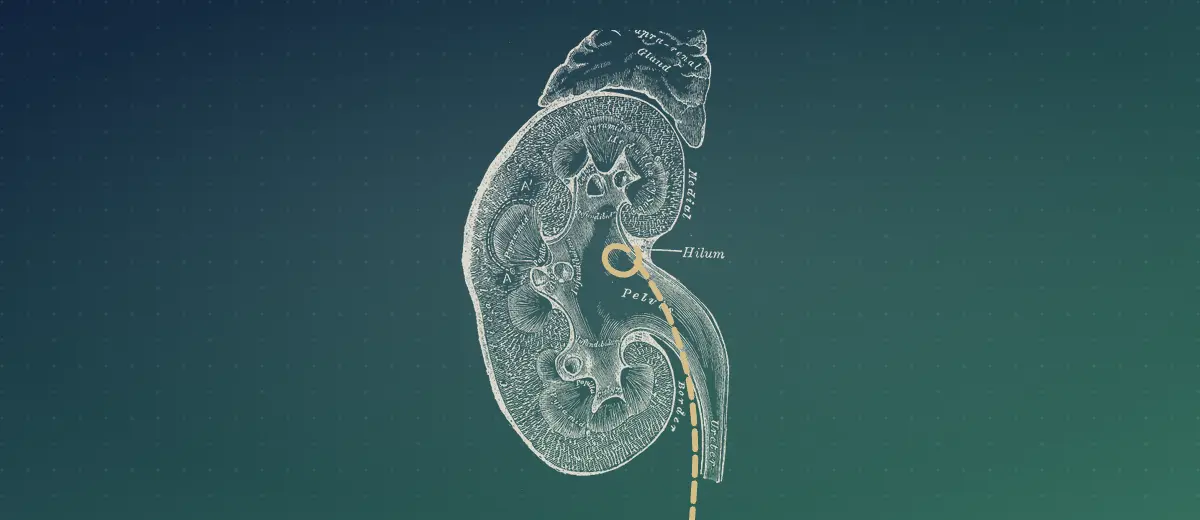
When surgery does not go as planned, the skill is knowing when to stop
Every surgeon meets the moment when progress stalls and the plan no longer applies. Two recent cases reminded me that knowing how to exit safely is as important as knowing how to operate.
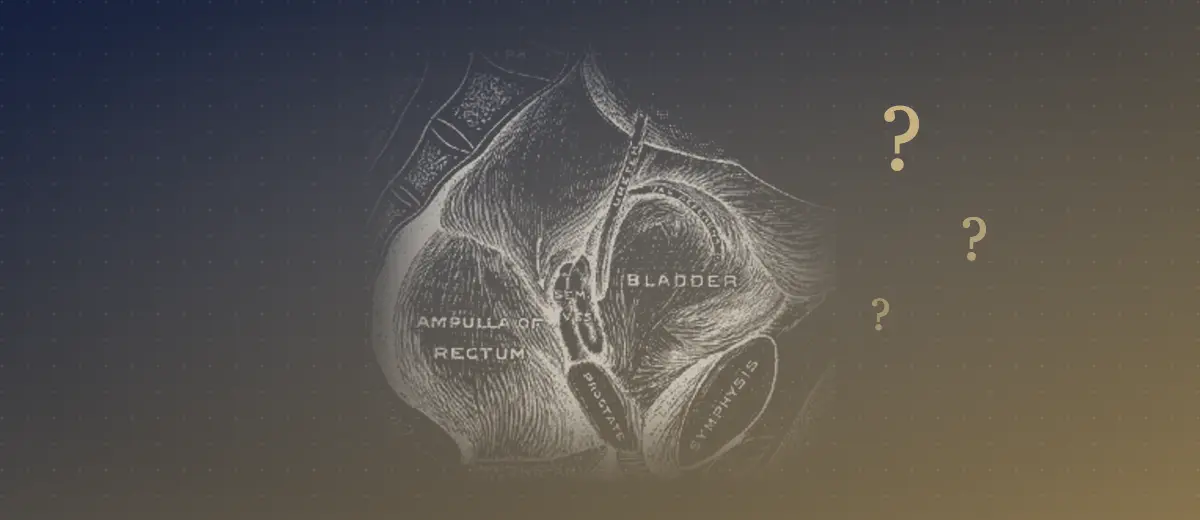
The Health Problems Patients Keep Quiet About
Urinary incontinence is neglected by all of us, and many men's illnesses trace back to how they live. A few things I have seen in practice.
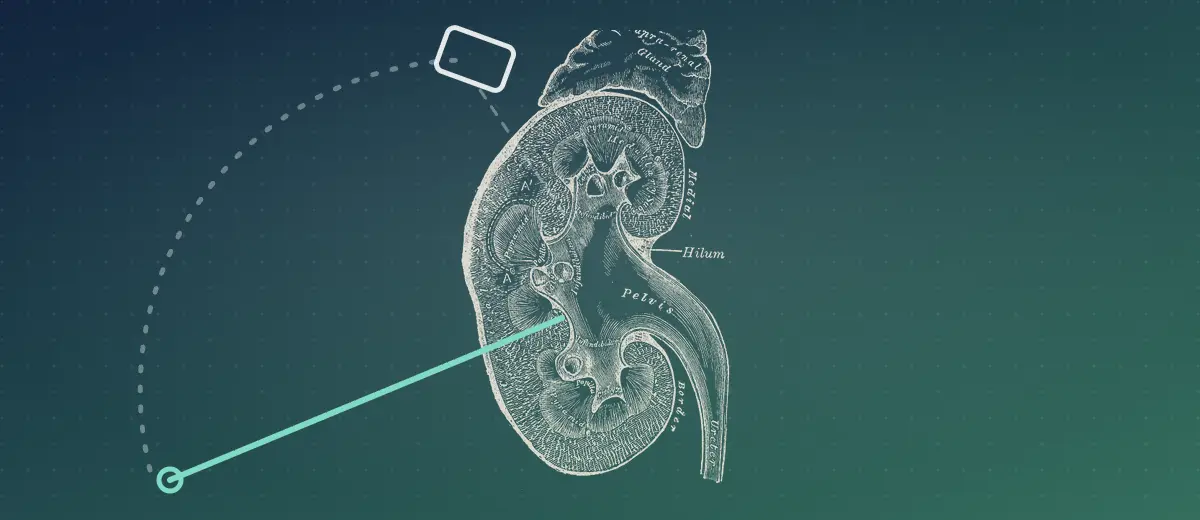
Getting Into the Kidney Safely: How I Teach PCNL Access
In keyhole kidney stone surgery, a clean result starts with a well planned route into the kidney. This is how I teach planning, patient positioning, and needle guidance with X-ray, ultrasound, or both.
Never underestimate the ward round
To a stranger, the inpatient ward round looks like a morning walk. One pause at a bedside changed a patient's plan.

Building a urology department
I joined NMC Al Ain in 2009, when its urology department was in its infancy. Here is how the team was built, and what our patients taught me along the way.
Urinary Tract Infections: Telling a Simple Infection From a Serious One
Most urinary infections stay in the bladder, but some spread and make a person seriously unwell. This post explains the difference, who is at higher risk, and why doctors are careful about when to use antibiotics.
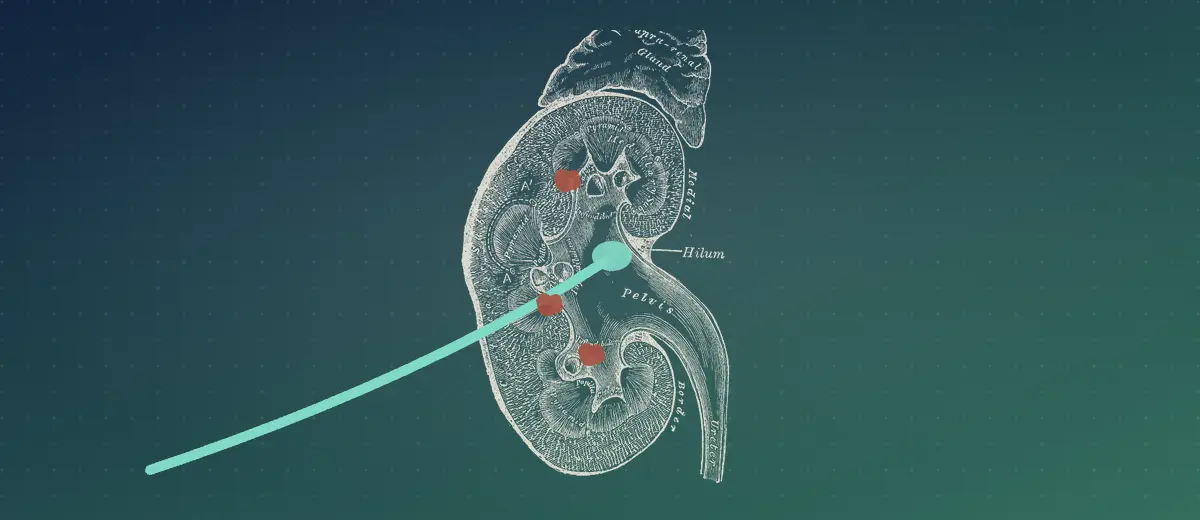
Three problems in ten minutes: a difficult PCNL
A kidney stone operation that had to be abandoned once, then threw three problems at me in quick succession on the second attempt. All stones were cleared, and it brought back advice from my first day in surgery.

Tunnel vision in the operating room
Tunnel vision kills in the operating room, and it is a team problem. A near miss two decades ago changed how we run our theatre.
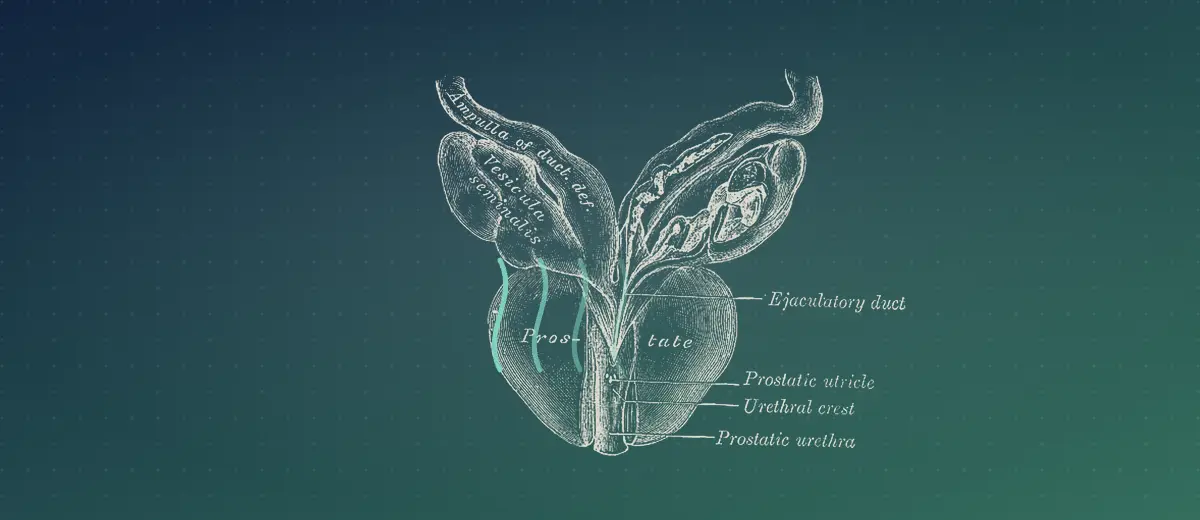
Rezum after more than twenty cases: what I would tell anyone starting out
Rezum treats an enlarged prostate with water vapour, and it looks like a simple office procedure. After more than twenty cases, these are the lessons on expectations, catheters, technique and patient selection.
Most patients do not need surgery
A surgeon's most important work often happens before the operating room. Most patients I see in clinic do not need an operation.

Follow-up is where systems fail
Idea, planning and execution are the easy parts. In healthcare, follow-up is where systems fail, so I check every time.
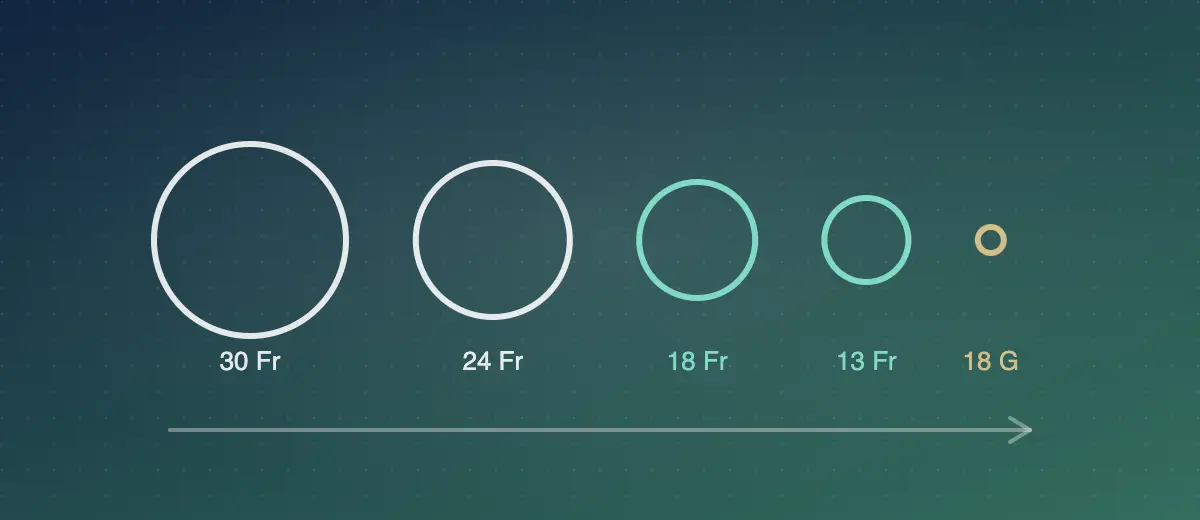
From a 30 French Amplatz to an 18-gauge needle: how PCNL changed in my hands
I started with large first-generation PCNL in 1996 and now work down to a needle-sized scope. Here are the instruments and small habits that shape my endourology today.

Sign-in, time-out, sign-out
Three short safety checks during every operation, and an incident reporting system used for learning. Both borrow from the airline industry.

Humour in uniform
A few small jokes from life in urology, from the operating theatre to the clinic.
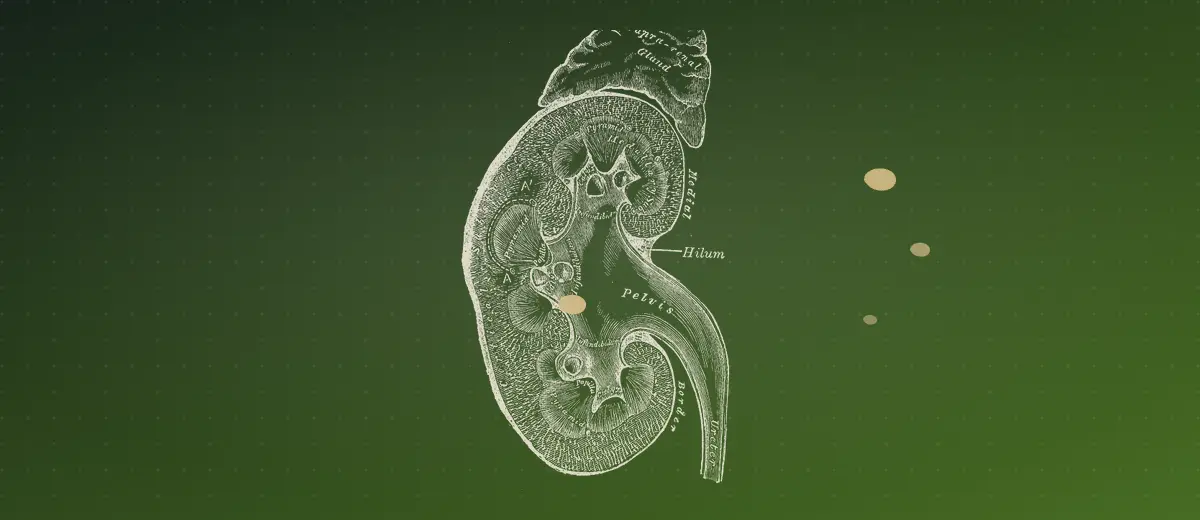
Small Kidney Stones: The Case for Treating Earlier
Should every kidney stone under 10 mm be watched first? In a debate at the Emirates Urological Society conference I argued the interventional side, and ended with a plea for deciding patient by patient.
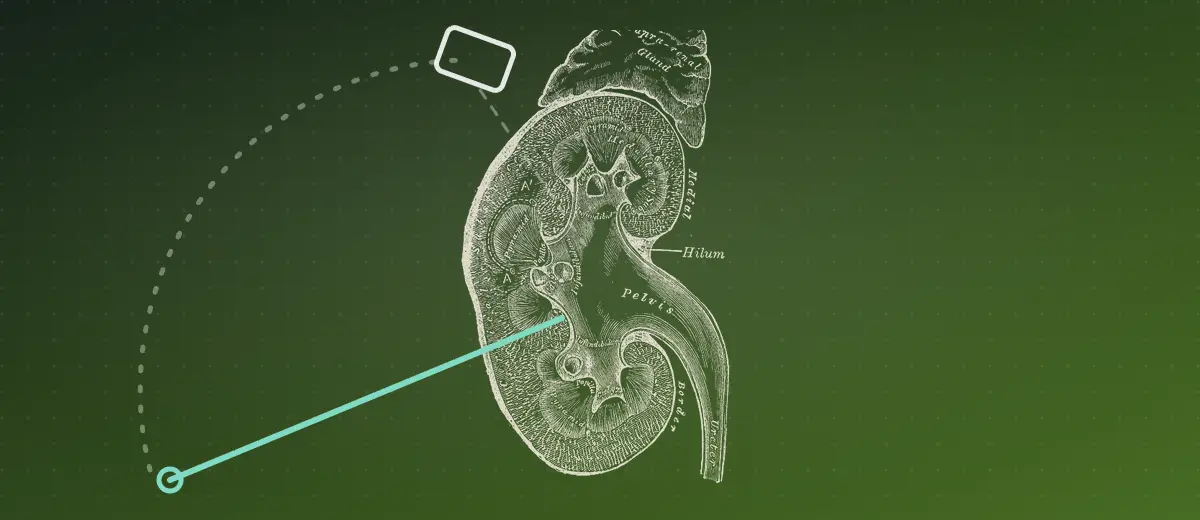
The Case for Fluoroscopy in Keyhole Kidney Stone Surgery
At a debate in Dubai I made the case for fluoroscopy, live X-ray imaging, as the guide for PCNL. Here is why I value it at every step of the operation, and how the radiation it brings can be kept low.
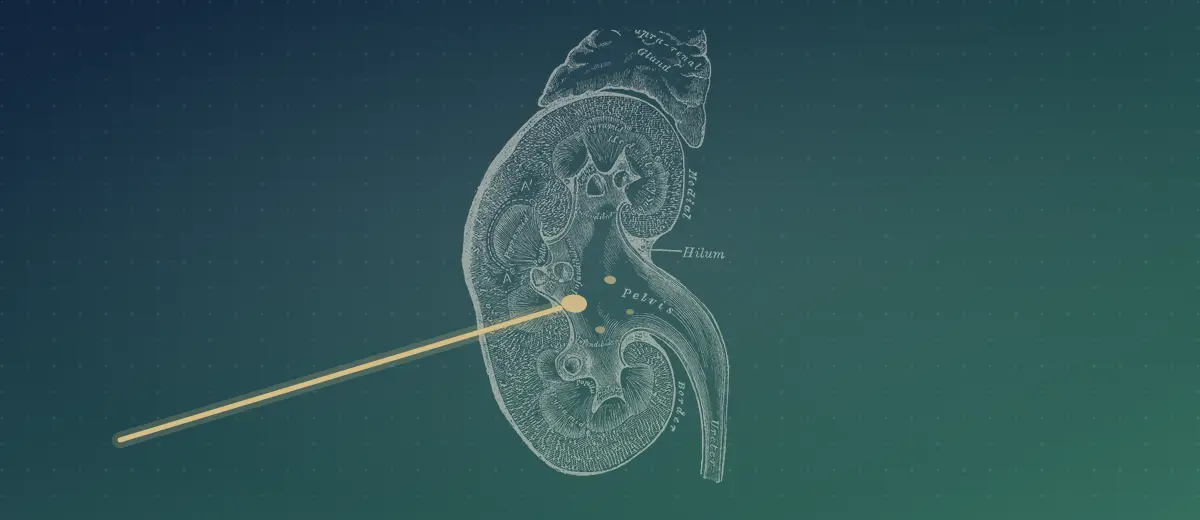
Thulium Fibre Laser and Why I Argued Against Shock Wave Lithotripsy
At a 2024 meeting in Al Ain I took the "No" side in a debate on whether shock wave lithotripsy is here to stay. Here is how the three main kidney stone treatments compare, and where the thulium fibre laser fits in.
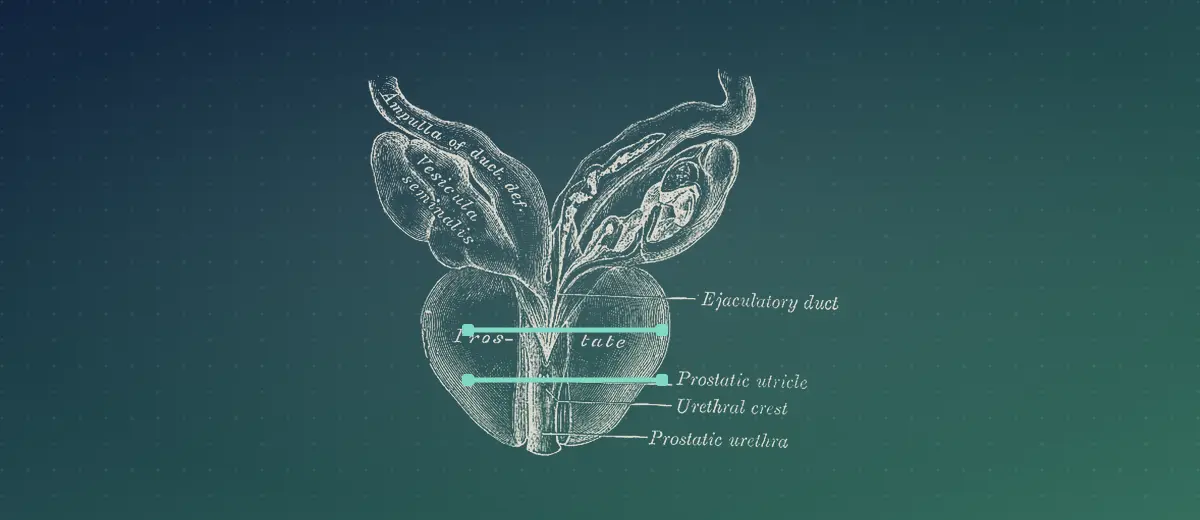
Urolift: Opening the Prostate Channel Without Removing Tissue
Between tablets and a TURP operation there is a gap, and the prostatic urethral lift is one way to fill it. I explain how the implants work, which men suit the procedure, and what it can and cannot do.
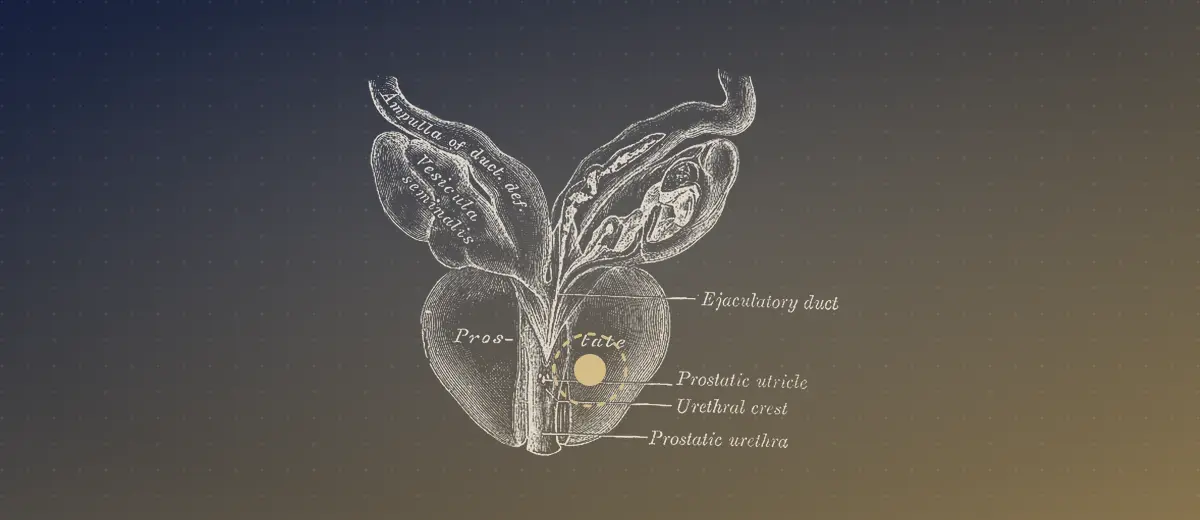
Prostate Cancer: Who Is at Risk, How It Is Found, and the Choices Men Face
Prostate cancer is the most common cancer in men after skin cancer, yet only a small share of men die from it. This post explains the risk factors, the tests, and why treatment ranges from careful monitoring to surgery.

Kidney Stones: Why They Form, How to Lower the Risk, and How They Are Treated
Urinary stones are common in hot, dry climates, and much of the risk comes from how much we drink and eat. Here is how stones form, what symptoms they cause, and the treatments available, from medicines to keyhole surgery.
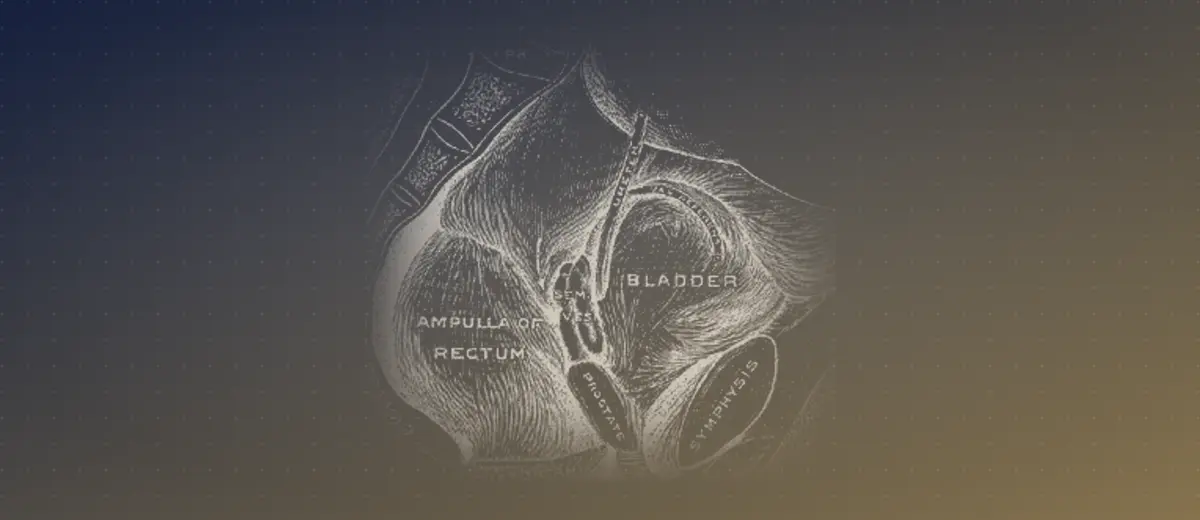
Know Your Prostate: The Gland, Its Common Problems, and How an Enlarged Prostate Is Treated
The prostate is a small gland, and as men get older it often changes how they pass urine. Here is what it does, what can go wrong with it, and the range of treatments for an enlarged prostate.
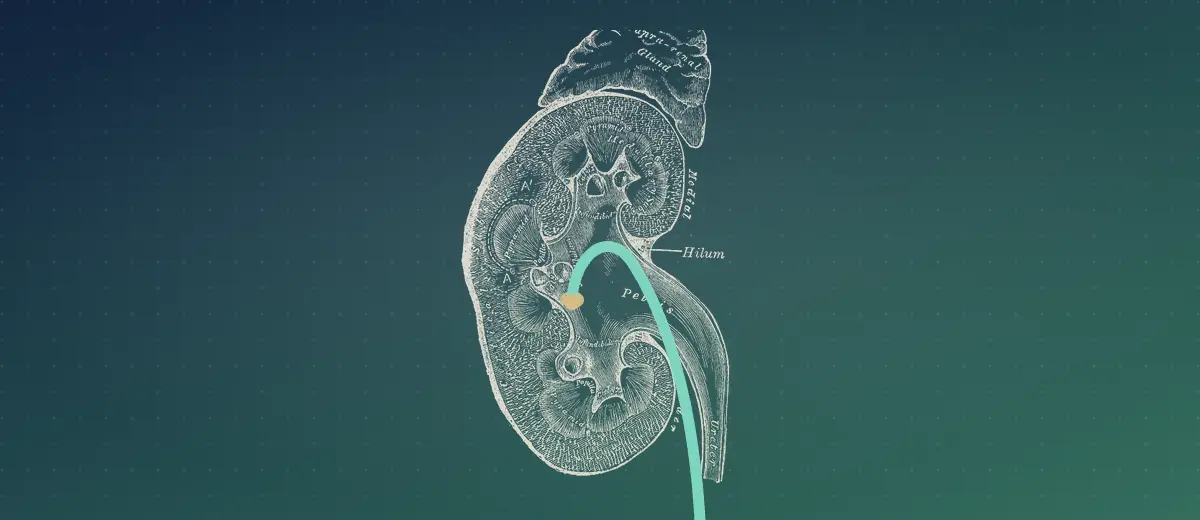
Single-Use Flexible Ureteroscopes for Kidney Stones: What We Learned
Flexible scopes let us treat kidney stones without any cut, but reusable scopes break often and repairs are costly. Here is how single-use scopes compared with reusable ones in our hospital, and where each still has its place.

The Instruments Behind Keyhole Kidney Stone Surgery
A walk through the equipment used in PCNL, from the needle that first enters the kidney to the energy sources that break the stone, as I taught it to surgeons in 2018.
Planning Kidney Stone Surgery: How Stone Size, Position and Anatomy Shape the Operation
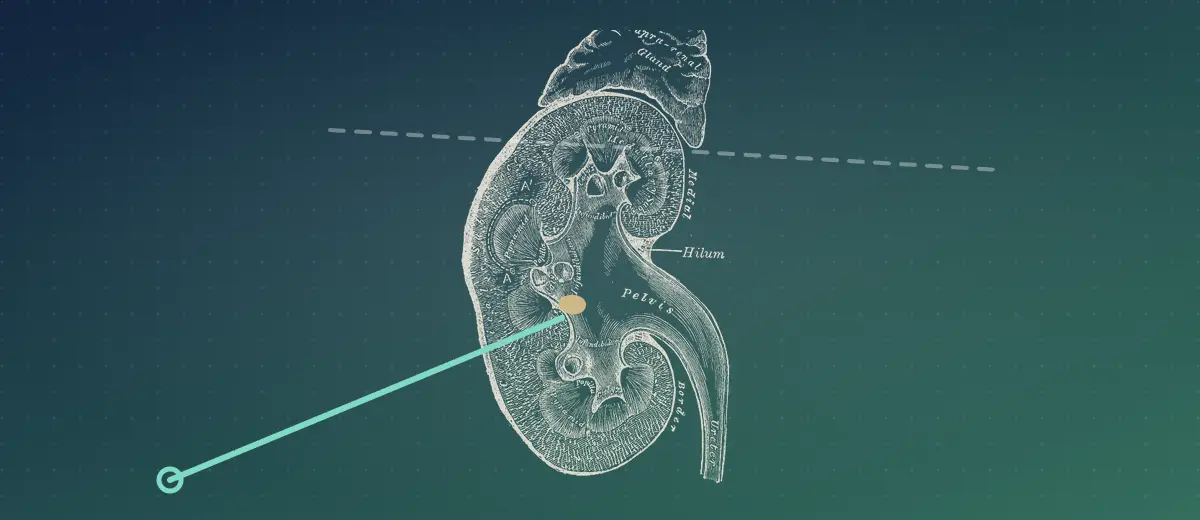
Most of the work in keyhole kidney stone surgery happens before the first puncture. This is the planning approach I taught at a hands-on PCNL workshop in 2018.
When the Sheath Finds a Vein: Lessons From Two PCNL Cases
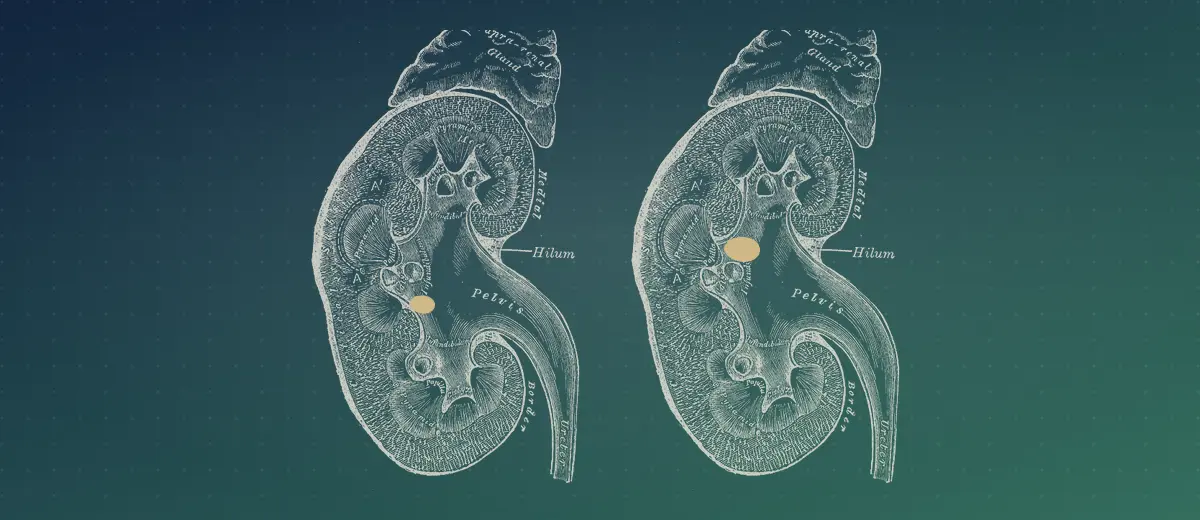
Two difficult cases from a PCNL case discussion I led, both involving the veins of the kidney, and the lessons on recognising and managing bleeding that I wanted surgeons to take from them.
Supine PCNL: Removing Kidney Stones With the Patient Lying on Their Back
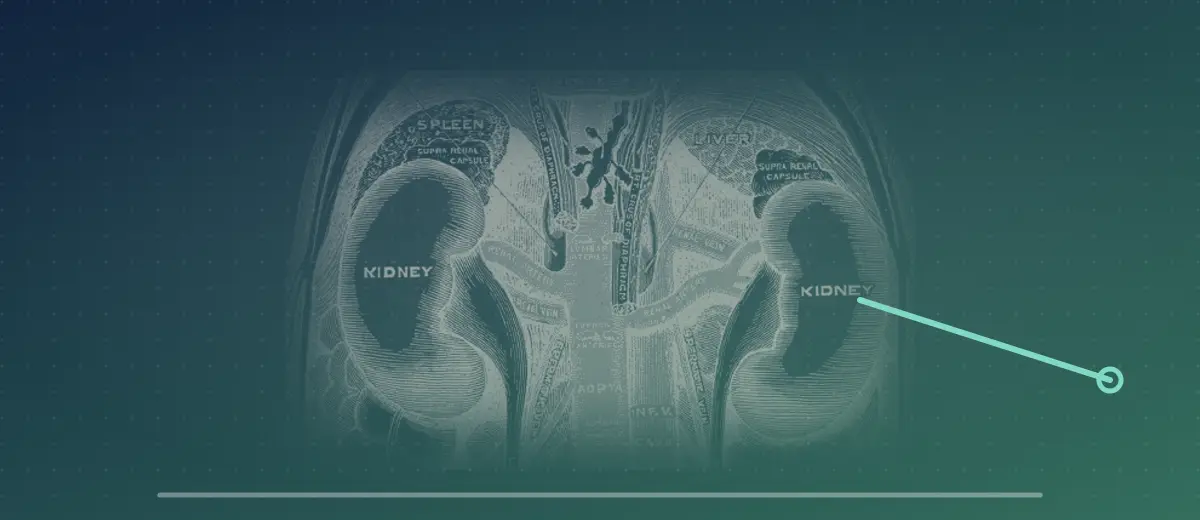
Most keyhole kidney stone surgery is still done with the patient lying face down. I explain why I prefer to operate with the patient on their back, how ultrasound makes the key step accurate, and where the approach has limits.
The Sandwich Technique: Does It Still Have a Place for Large Kidney Stones?
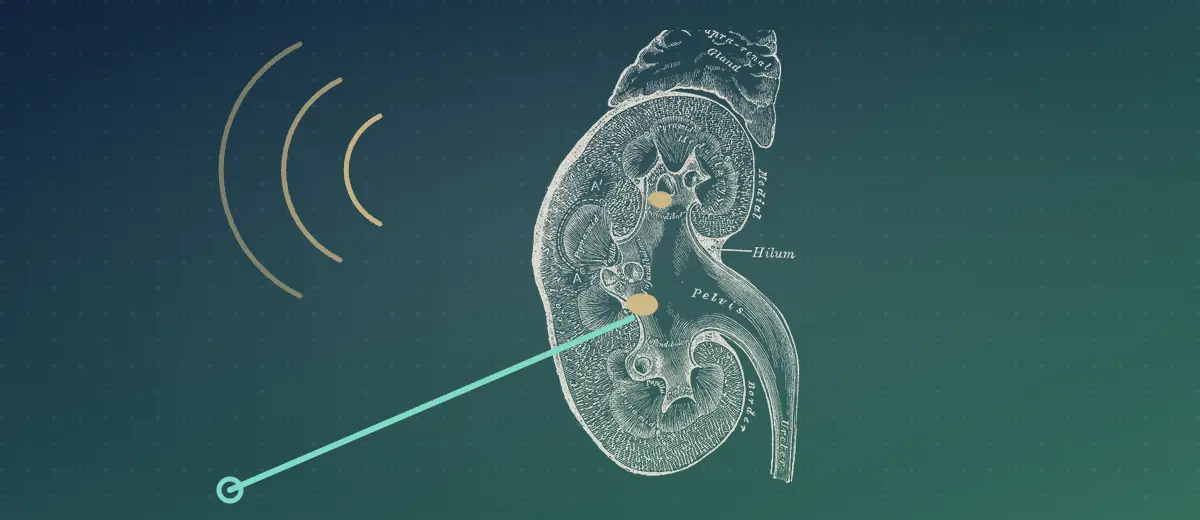
Large and complex kidney stones rarely clear with one procedure. This is how I think about combining keyhole surgery, shock waves and flexible scopes, one step after another, to get a patient stone free.
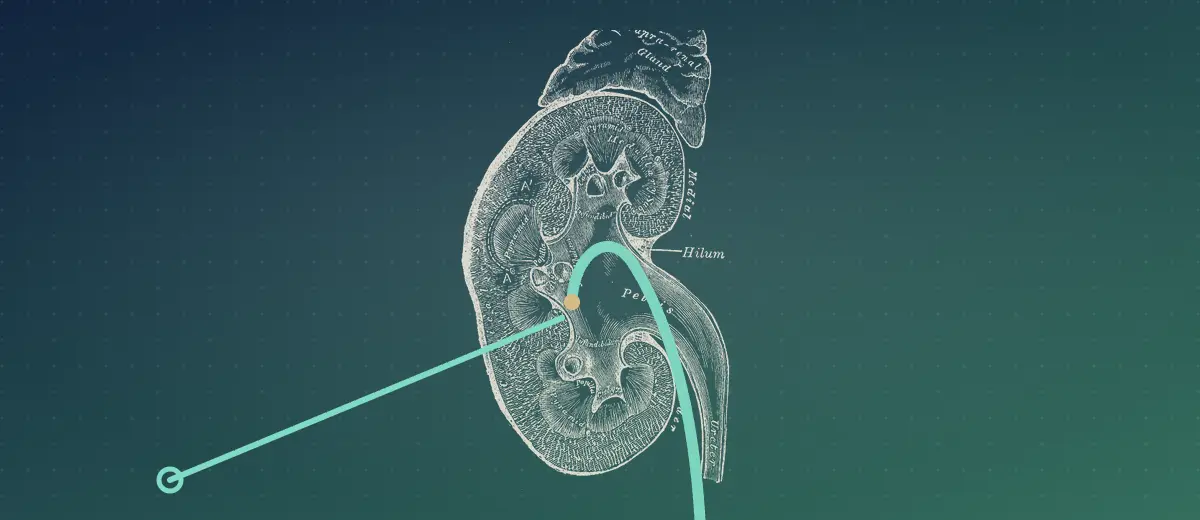
Smaller Scopes, More Choices: How Kidney Stone Surgery Has Changed
Kidney stones can now be treated through tracts a few millimetres wide, or with no cut at all. I trace how the options developed, how stone size guides the choice, and why no single procedure suits every stone.
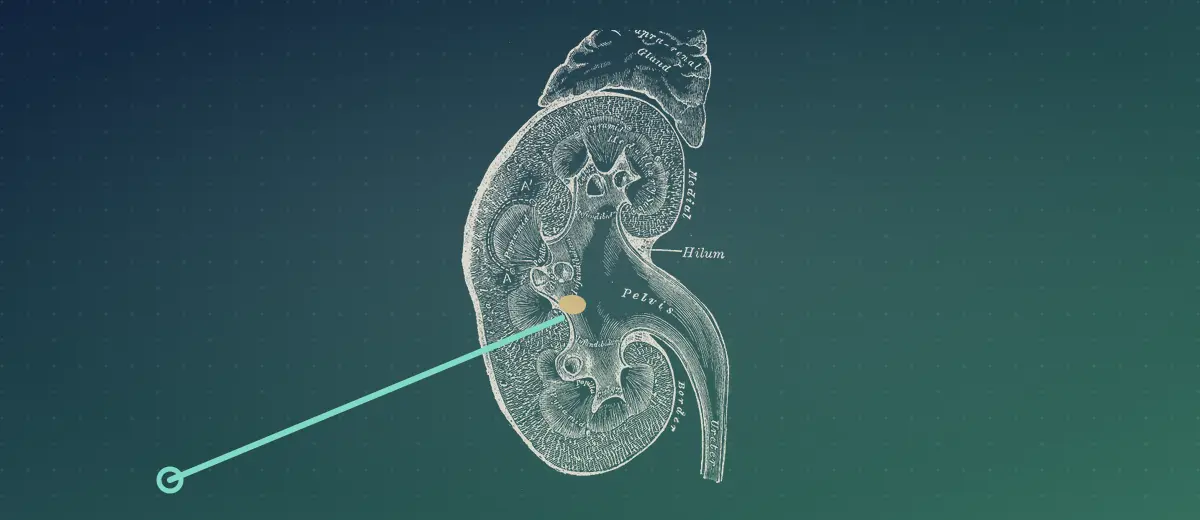
PCNL Explained: How Large Kidney Stones Are Removed Through a Keyhole
PCNL removes large kidney stones through a small tract in the back. I walk through who it is for, who it is not for, and each step of the operation, from planning the entry to deciding whether a drain is needed.
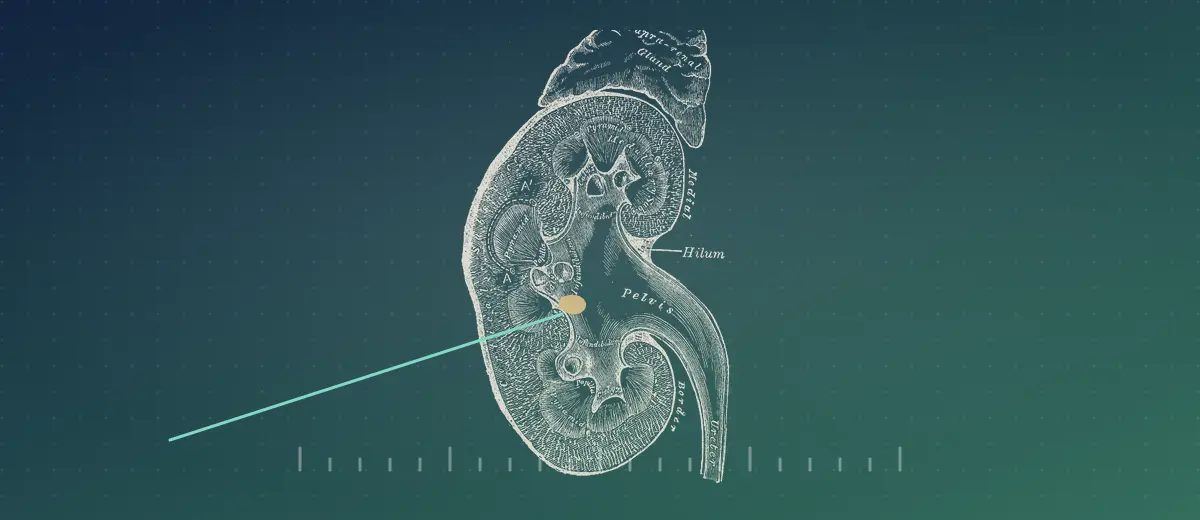
Very Small Keyhole Surgery for Stubborn Kidney Stones: My Early Experience
Some small kidney stones resist shock waves and sit where a flexible scope cannot easily reach. This is what I learned from my first cases treating them through a needle-sized keyhole.
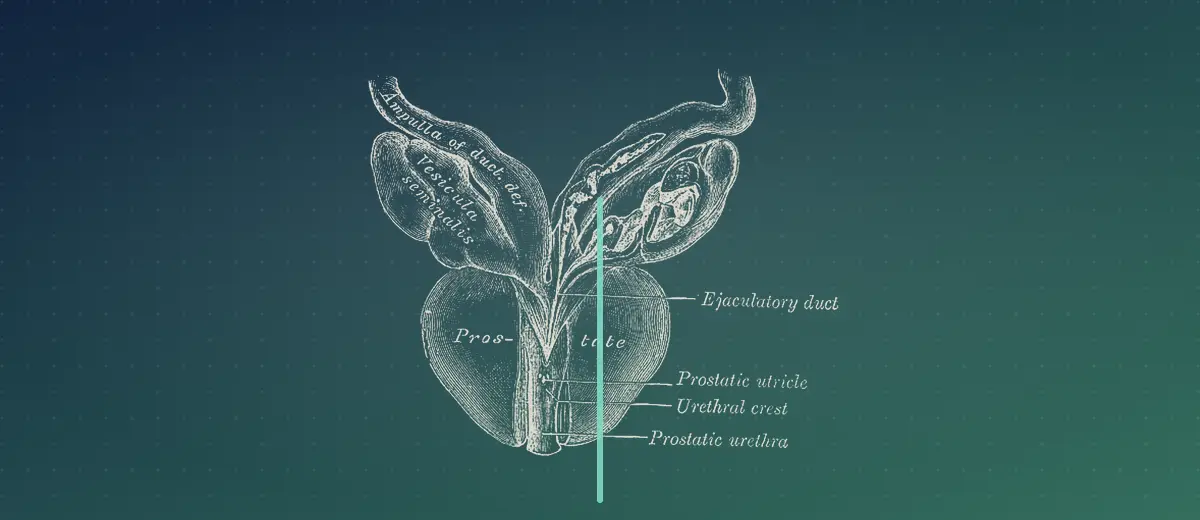
Surgery for an Enlarged Prostate: TURP, Lasers and the Older Alternatives
When medicines no longer control the symptoms of an enlarged prostate, there are many procedures to choose from. I compare the minimally invasive methods, TURP and the main surgical lasers, and explain why the thulium laser stands out.