RIRS (retrograde intrarenal surgery) treats kidney stones with a thin flexible telescope passed up through the urinary passage into the kidney, with no cut in the skin. A laser through the scope breaks the stone. It is a well-established method for the upper urinary tract, with high success rates and less chance of complications.
This talk was about one practical question: how single-use (disposable) flexible scopes compare with the reusable ones we had relied on.
Choosing the right treatment for each stone
A kidney stone needs active removal when it is growing, causing obstruction, infection or symptoms such as pain or blood in the urine, or when the patient is at high risk of forming stones. Patient preference, other conditions, and the patient's social situation, such as their profession or travel, also matter.
The options are ESWL (shock waves from outside the body), PCNL (keyhole surgery through the back), RIRS, a combined approach using PCNL and RIRS together, and laparoscopy. Every plan depends on the patient's other illnesses, the site, size and shape of the stone, and the anatomy of the kidney.
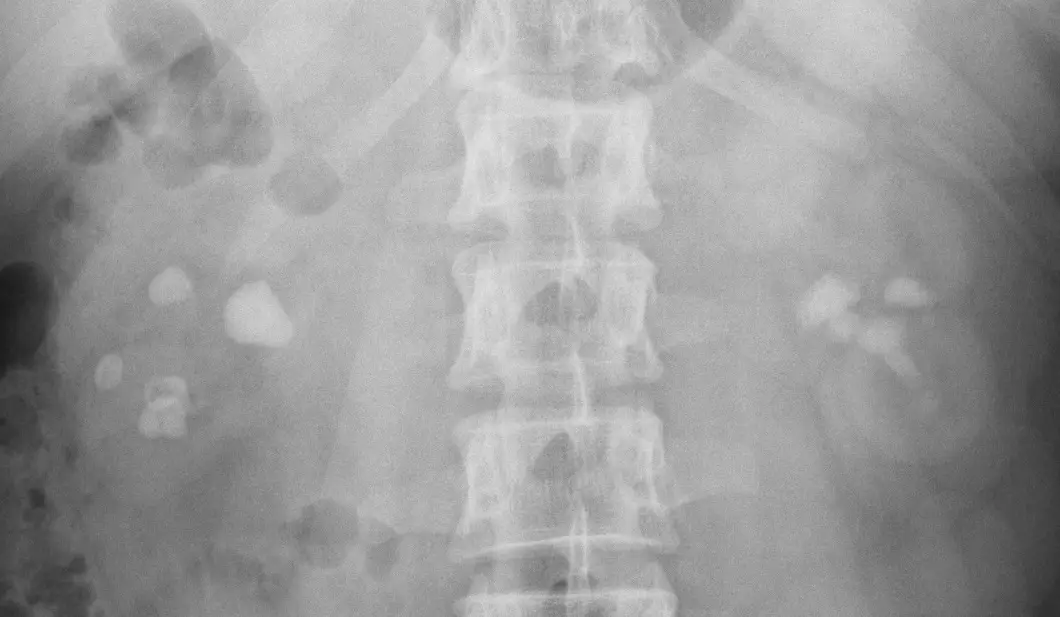
Where RIRS does better than the alternatives
I use RIRS for fresh cases, for a planned second sitting, for stones left behind after ESWL or PCNL, for a narrow calyceal neck (a tight opening into one of the kidney's collecting chambers), and when PCNL is not suitable.
It has advantages over ESWL and PCNL for obese patients, patients at high risk from other illnesses, patients with a bleeding tendency, and difficult anatomy such as the lower calyx of a horseshoe kidney. It is best for medium stones of 1 to 3 cm. Stones over 3 cm may need more than one session, or RIRS can form part of a combined approach.
The problem with reusable flexible scopes
The downside of RIRS is that reusable flexible scopes break down often, and repairs are costly. To address this, manufacturers developed disposable scopes. These are used once and need no costly sterilisation or repair.
In our hospital every flexible scope is used with a tailor-made protocol, and by the time of this talk more than 1000 RIRS procedures had been performed. In our set-up, a reusable scope lasted on average about 60 procedures before it needed repair, compared with a worldwide figure of about 40.
We had used chip-on-tip disposable scopes (scopes with a digital camera at the tip) in about 200 procedures. We did these with and without a ureteral access sheath (a tube placed in the ureter to guide the scope in and out), and by then most were done without one. The learning curve with the disposable scope was short.
How the operation has changed
Several practices were shifting at the time. Placing a stent before RIRS was no longer a must. Whether to use an access sheath had become an open question. Scopes were becoming smaller, and chip-on-tip scopes gave clearer vision at a higher purchase and repair cost.
In my modified technique, a cystoscopy sheath is used, and a rigid ureteroscope dilates the ureter under direct vision and places the guide wire. An assistant holds the scope and camera, while the surgeon controls the movements of the scope.
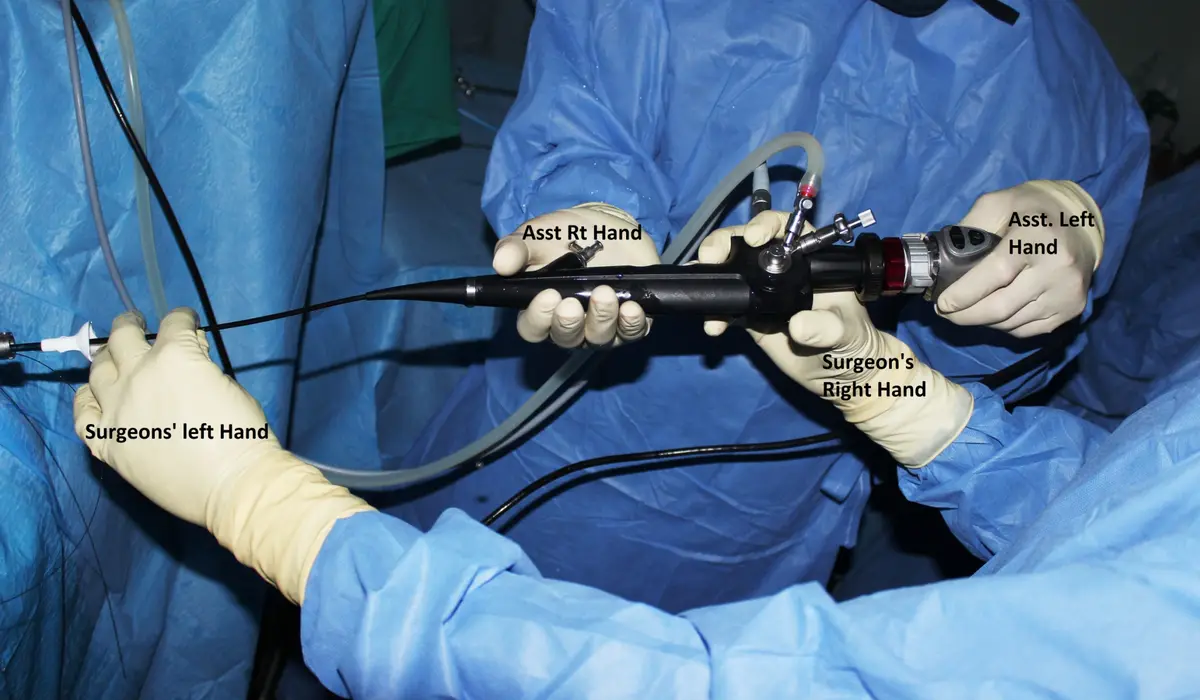
Stones are dealt with in two ways. Small, harder stones are fragmented and taken out with a basket, which also gives a stone for analysis, but basketing carries a chance of injuring the ureter and may need an access sheath. Large, soft stones are dusted: the laser reduces them to fine particles. Dusting saves time and needs no basket, but a DJ stent (a soft tube left from kidney to bladder) is a must, and a second sitting may be needed.
With this modified technique, in our experience, infection rates were low with no fever after surgery, stone clearance was high, and the flexible scope lasted longer. Patients were admitted as day cases, with low radiation, fewer antibiotics and painkillers, shorter operating time, and no major complications. We used no access sheath and no urethral catheter.
Disposable against reusable: what we found
Comparing disposable with reusable scopes, we found no difference in how easily the scope could be steered, in the rate of stone clearance, in problems after surgery, or in painkiller use.
In the first few procedures, more fluoroscopy (live X-ray imaging) may be needed to see where the scope is. In a kidney with a complex collecting system, or when there is bleeding, the disposable scope's view may be less clear, and I may switch to a reusable scope to finish. In our experience that happened in 1 out of 20 procedures. Overall, the picture from a disposable scope is a little less clear than from a reusable one.
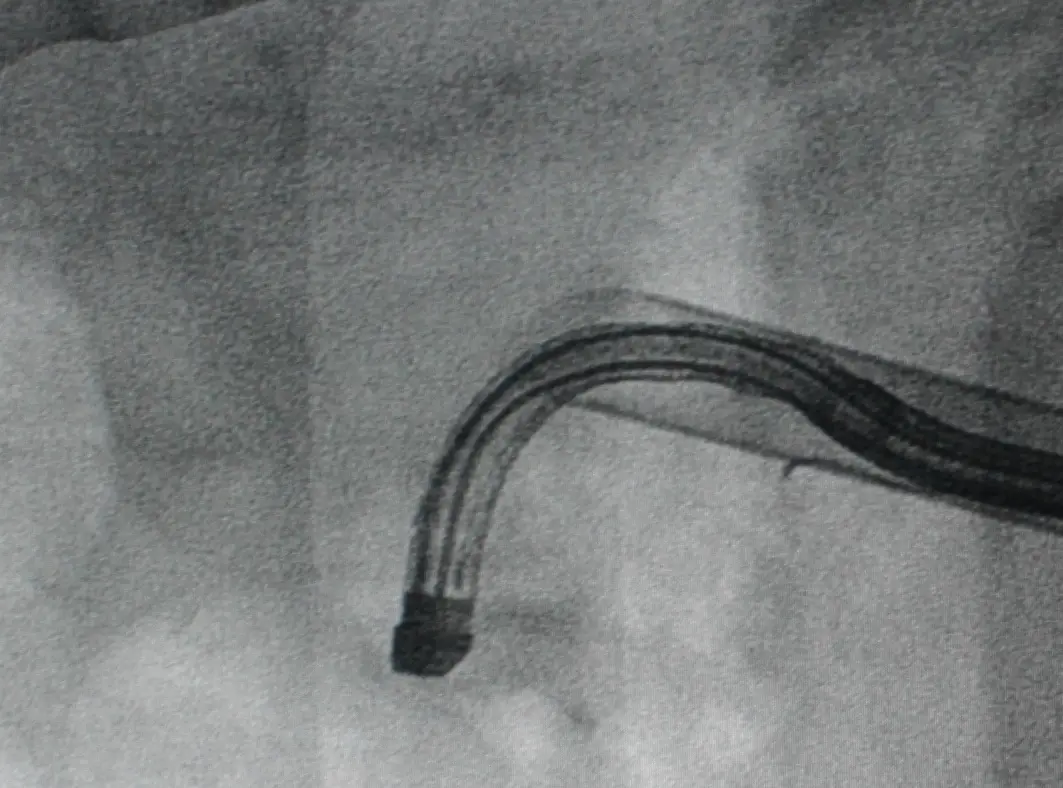
The disposable scope has real advantages. I can take on difficult anatomy or a large stone burden without fear of breaking an expensive scope. A single dose of antibiotic before surgery is enough, and infection rates after surgery are lower. The scope is light, so longer procedures are possible without fatigue, and procedure time is shorter.
Weighing the cost
The disposable flexible scope is a better option for avoiding costly repairs of reusable scopes. However, its price has to be considered against local payment arrangements, and it is advisable to calculate the long-term balance of cost and benefit. Image quality remains the main issue with disposable scopes, which I hoped new technology would soon address.
The wider point of the talk was that no one procedure is the gold standard for every stone. Management of kidney stones needs a tailor-made plan, and with so many options available, the decision has to be made together, considering all the factors and the patient's wishes.