This talk was part of NMC's summer campaign, Beat the Heat, Drink Water. Heat stress affects outdoor workers, athletes, older adults, children and people with long-term health conditions.
What heat stress is
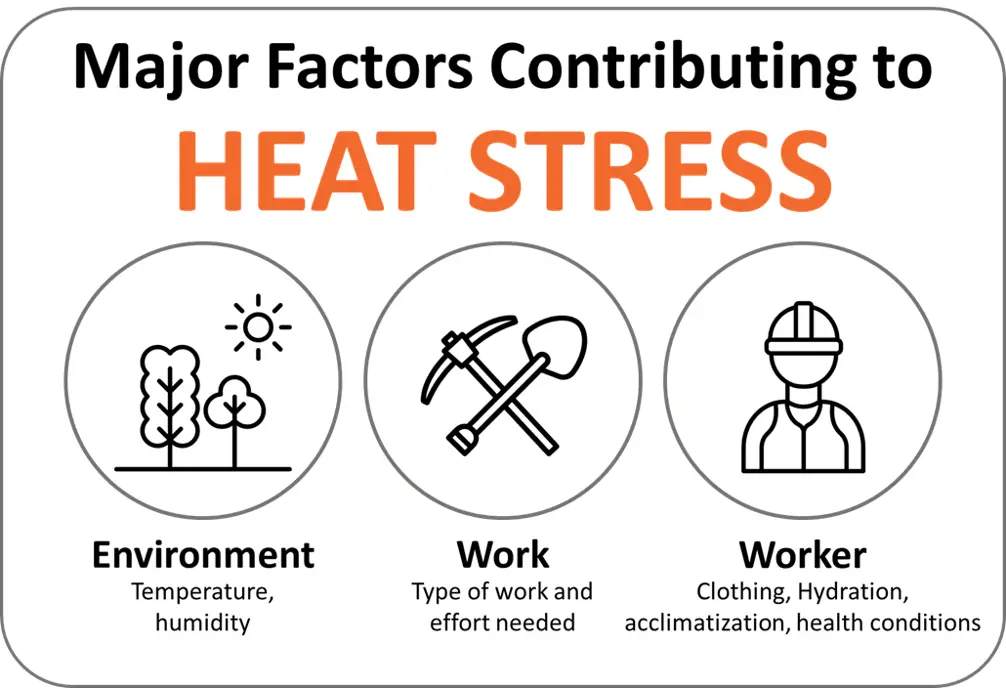
Heat stress happens when the body's ability to cool itself is overwhelmed. High temperatures, humidity, physical activity or protective clothing cause heat to build up inside the body faster than it can be lost. Eventually the body can no longer regulate its core temperature.
It is a serious health concern both at work and in daily life, and it can lead to a series of illnesses, from mild to deadly: heat cramps, heat rash, heat exhaustion and heat stroke.
What raises the risk
The surroundings matter first. High temperature and humidity, direct sun exposure in a desert region, indoor sources of radiant heat, and limited air movement all add to the load. So does physical exertion, especially without acclimatisation (the gradual adjustment the body makes to working in heat) and without enough fluid.
Personal factors matter too. Protective equipment and heavy clothing trap heat. Physical condition and health problems, certain medicines such as diuretics (which make the body lose water), very young or old age, pregnancy, and a previous heat-related illness all increase the risk.
The milder forms: heat cramps and heat rash
Heat cramps usually come on during or after intense physical activity in the heat, and are often an early sign of heat-related illness. They are muscle pains caused by losing water and electrolytes (body salts) through sweat. The cramps are sudden and intense, in the legs, arms, abdomen, back or any muscle under strain, and the pain can make movement difficult. Heavy sweating and flushed skin show that the body is overheating.
The first aid I described is to stop, drink water straight away, rest in a cool area, and let a supervisor know if at work. If the cramps last more than an hour, or confusion, loss of sweating or fever appear, medical attention is needed at once, because these can mean heat exhaustion or heat stroke.
Heat rash, also called prickly heat or miliaria, is caused by blocked sweat ducts and is common in hot, humid conditions. It appears as clusters of small red bumps or tiny blisters that itch and prickle, often on the neck, chest, groin, under the breasts and in the elbow creases.
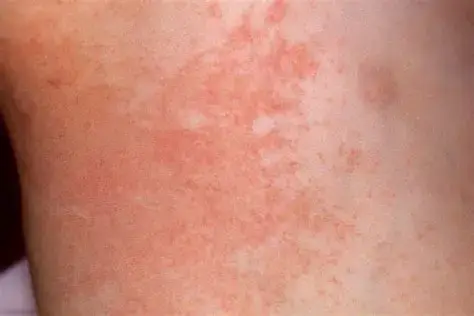
Keeping the skin cool and dry, a cooler environment, powder for comfort, soothing lotions such as calamine, and avoiding further heat usually help. In most cases heat rash is harmless and clears on its own within a few days.
Heat exhaustion: the most common heat illness
Heat exhaustion happens when the body loses so much water and salt through sweating that it can no longer cool itself properly. It can develop during hard physical work in hot or humid conditions, or even from long exposure to high temperatures indoors without proper cooling.
The body temperature rises above 38 °C. Other signs include headache, nausea, dizziness, confusion, irritability, weakness, thirst and heavy sweating. Unlike heat stroke, heat exhaustion usually keeps the core temperature below 40 °C and does not cause lasting effects on the brain.
First aid means moving the person out of the heat, giving water, placing a cold compress on the neck and face, and having them examined by a licensed healthcare provider.
Heat stroke is a medical emergency
Heat stroke is the most severe form of heat-related illness, and it can be fatal. The body's temperature control fails and the core temperature reaches a critical level, above 40 °C. It can come on suddenly or gradually, and prolonged high temperature can damage the brain, heart, kidneys and muscles.
The signs are confusion, loss of consciousness, seizures, and hot, dry skin. My slide carried a warning not to confuse these signs with a heart problem.
In the UAE the first step is to call the emergency number, 999. While help is coming, the person should be moved into shade, as much clothing as possible removed, cool water applied over the body, and air kept moving around them.
Accidents and prevention
Heat also causes accidents at work. Sweaty palms and sweat on the floor lead to slips, fogged safety glasses impair vision, hot equipment causes burns, and dizziness and fatigue lead to lapses in attention. Protective equipment that is loosened or taken off because of the heat can expose workers to other hazards.
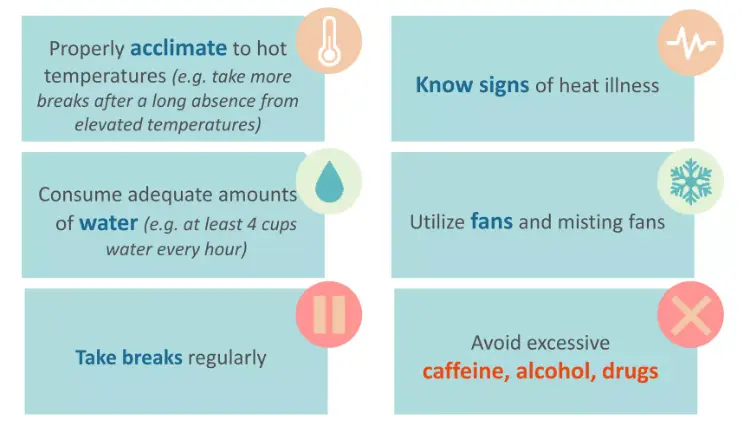
Prevention is mostly about habits. The steps in my talk were acclimatising properly, for example by taking more breaks after a long absence from hot conditions; drinking enough water, for example at least four cups every hour when working in the heat; taking regular breaks; using fans and misting fans; knowing the signs of heat illness; and avoiding excess caffeine, alcohol and drugs.
If you have urinary symptoms or worries about your kidneys or bladder during the hot months, please see a urologist.
Air conditioning does not make anyone immune
Most people think heat stress is a construction-site problem. I have treated delivery riders, facility staff, athletes and office employees who assumed air conditioning protected them. Stepping out of an air-conditioned building into a hot afternoon, even for a few minutes, can be enough to cause trouble, because the body runs on a delicate fluid balance.
Long-term heat exposure and dehydration also raise the risk of urinary stones. That is one reason a urologist cares about how much water people drink through the summer.
This summer I led our "Beat the Heat, Drink Water" campaign at NMC Specialty Hospital, Al Ain, and took the training to employers, including teams at Hafeet Rail and Etihad Rail. The lesson from the campaign is simple: the difference between a close call and an emergency is almost always how early the signs were recognised.